Find the tools to support every child you serve. Start Here
NAVIGATION
New to First Book?
Join us to connect with thousands of fellow educators and access exciting educational events and resources for you and your students.
Find the tools to support every child you serve. Start Here
New to First Book?
Join us to connect with thousands of fellow educators and access exciting educational events and resources for you and your students.
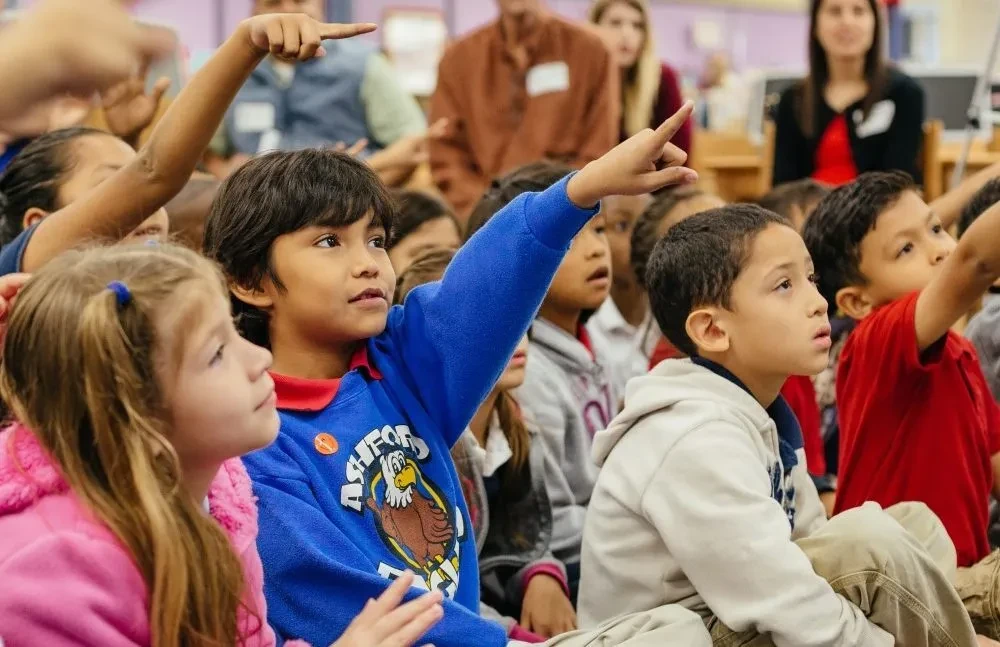
Amplifying the voice of our Network
First Book Research & Insights drives meaningful change by aggregating and amplifying the needs, market power, and voices of those in our Network. Through First Book’s extensive quantitative and qualitative research, this community of educators provides insights guiding the design of programs, partnerships, and the resources we offer. Research & Insights informs how to develop products, curriculum and digital resources that will be most relevant and impactful for all serving children in need.
First Book collaborates with public and private partners, translating best-in-class expertise into actionable educational strategies to support learning for kids in need. We collaborate with field experts, publishers, corporations, foundations, fellow nonprofits, leading academics, and individual donors to address the critical needs expressed by educators.
We recognize that the work we’re doing cannot be achieved in a silo, which is why we work extensively with other nonprofits and corporate partners to help broaden the reach of our studies and positively impact even more Title I programs and classrooms. Below is just a selection of the many wonderful partners we work with to change the path of children in need.
While a majority of First Book’s current members are based in Title I or Title I eligible schools, millions more are eligible: the dedicated adults working or volunteering in non-school-based community programs and nonprofits. This includes public libraries, food shelves, after-school programs, health clinics, faith-based programs, and any setting where 70% of the children served come from low-income families.
In 2025, First Book Research & Insights surveyed non-school-based members to better understand their unique needs and gather their assessments and feedback regarding First Book’s effectiveness and impact to date.
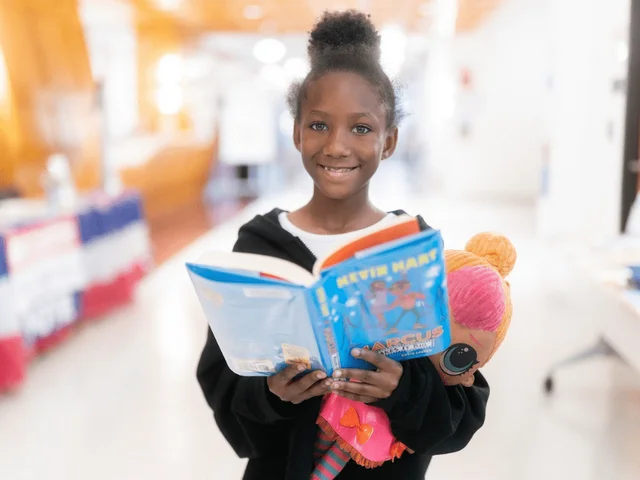
To gain deeper insight into the demand for resources that support bilingual learners, First Book’s Research & Insights team conducted a survey of educators within the First Book Network to assess their need for books in multiple languages.
Based on the findings, First Book introduced the World Languages category on the First Book Marketplace in 2024. This curated collection features bilingual picture book bundles available in 19 languages, designed to help educators foster multilingual learning environments.
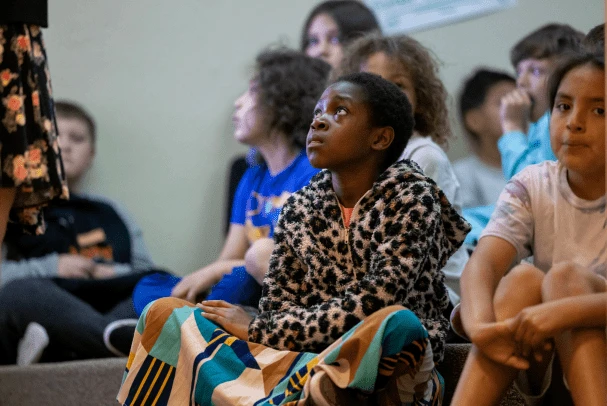
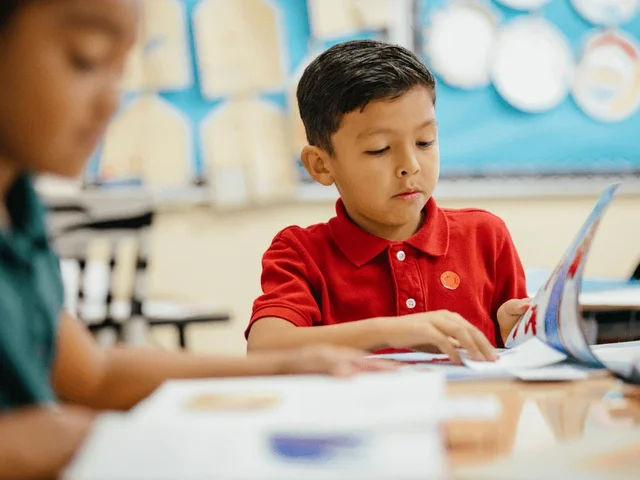
To understand the impact that the national conversation around banned books is having on educators’ ability to teach and students’ ability to learn, Research & Insights surveyed educators in the First Book Network.
This study reveals that the conversation and actions to ban and/or censor books in schools, libraries, and programs are having a negative impact on educators’ ability to teach and students’ ability to learn — and these negative impacts reach far beyond just the districts that are facing bans. In addition, the book banning efforts are yet another example of decisions being made that impact or restrict what happens in classrooms without opportunities for educator voices to be considered in the decision process. This may further undermine educator expertise and erode educator morale.
First Book Research & Insights conducted this nationwide study to understand:
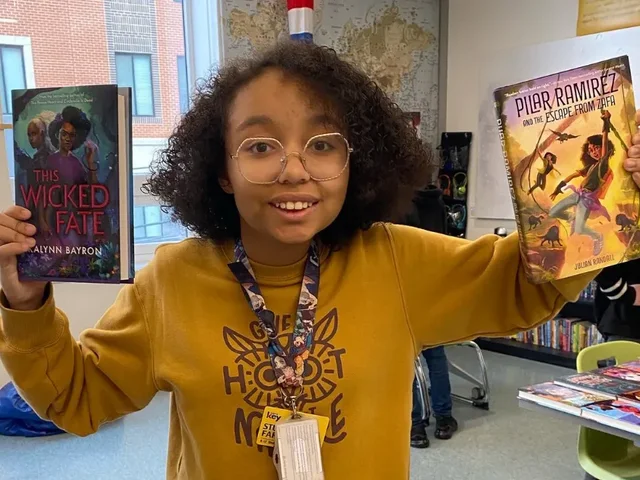
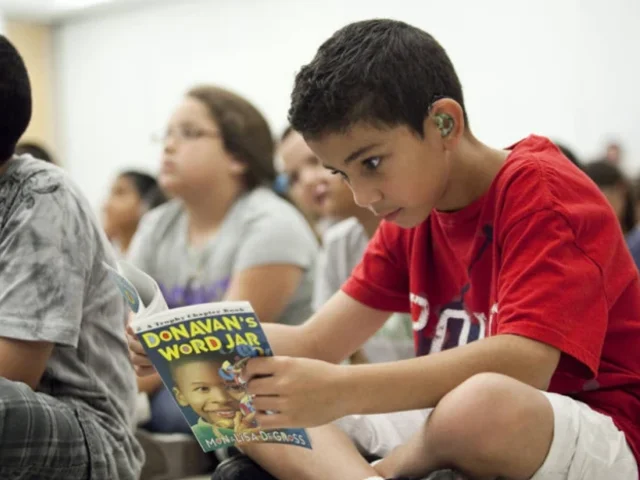
Through this intervention study, participating educators selected and added diverse books to their classroom libraries, and completed bi-monthly tracking surveys to gauge the impact of those diverse books. Among the findings: the pilot study revealed that increasing access to diverse books in the classroom environment increases the amount of time that children spend reading, and positively impacts students’ reading scores.
Fifty-one percent of educators reported that their classroom library/reading area would be considered a literacy rich environment across all areas of the checklist. Yet, the survey reveals that a full 30 percent of classroom libraries fall short of meeting the literacy rich guidelines and educators currently see no way to meet them.
Fifty-four percent of educators report having 10 or fewer books per child in their classroom libraries. On average, educators also estimate that less than half (40 percent) of their book selections represent diverse cultures and almost one-third of educators do not consider their book collection to have an adequate representation of diverse cultures.
In October 2021, the American Academy of Pediatrics, the American Academy of Child and Adolescent Psychiatry, and the Children’s Hospital Association joined together to declare a National State of Emergency in Children’s Mental Health – a crisis exacerbated by the stress of the pandemic and inequities resulting from structural racism. The declaration cited soaring rates of depression, anxiety, trauma, loneliness, and suicidality.
Because of the cumulative impact that children in poverty have faced from the pandemic, along with challenging life experiences and compounding stressors related to race and culture, 98% of educators feel that current mental health challenges experienced by students are a barrier to education.
The American Rescue Plan (ARP) Act has designated $123 billion to support K-12 schools and billions more for childcare and educational programs, to improve equity for children and families in need.
As we head into a new school year, First Book surveyed its network of educators to identify their priorities for ARP funding to support learning and address community needs. With the most significant investment in our education system designated for improving equity, First Book’s recent report from Research & Insights highlights areas where educators serving Title I schools, and under-resourced programs need the most support. Read the full report.
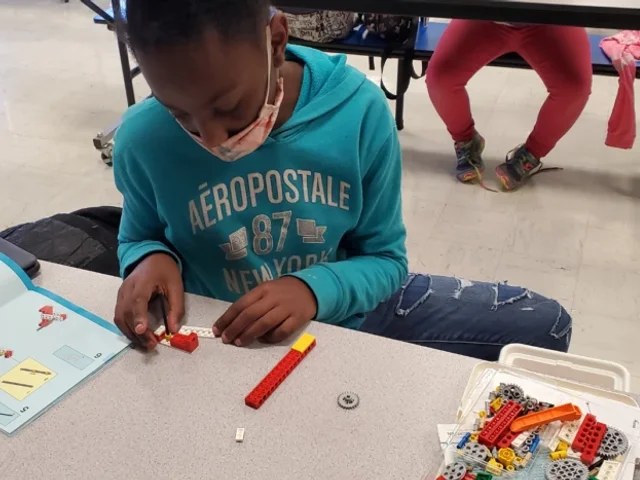
To address the issues of the digital divide intensified by the COVID-19 pandemic, CDW, Intel Corporation, and LEGO® Education and the LEGO Foundation worked with First Book to build the Creating Learning Connections initiative (CLC). This initiative provided learning solutions designed to fuel education by supporting thousands of students and families in Title I schools in the United States impacted by the pandemic. Students received critical at-home and in-classroom learning resources, including internet connectivity, devices, and hands-on STEAM learning solutions—namely, LEGO Education Solutions.
Appalachia has experience in trauma and resiliency that can guide our nation. As ground zero for our nation’s other health crisis, the opioid epidemic, Appalachia’s overdose mortality rate is 46% higher than the national average. Behind this statistic is an outsized number of children caught in situations of chronic stress.
When these children enter the classroom, their trauma comes too frequently as an invisible barrier to learning. Our recent study, Educational Barriers and Solutions, sought the perspective of Appalachian educators to better understand the type of support educators need in order to help children who are experiencing trauma.
Educators are sounding the alarm. The data raises major concerns about mental health and the digital divide, citing COVID-19 as a crisis for kids in need as they head back to school.
The study cites four key factors contributing to this education crisis: 1) the mental/social-emotional health of kids and families; 2) access to learning tools and resources; 3) a widening digital divide making the need for books even more critical and 4) an extended summer regression in academic proficiency due to a long break from formal education.